



EXECUTIVE SUMMARY
The Diaspora Farmers Association is a pioneering organisation dedicated to empowering and mobilising the Ghanaian diaspora to actively participate in and contribute to Ghana’s agricultural transformation. Formed with a clear mandate, the association addresses critical challenges faced by diasporans interested in agricultural investment in their homeland. Our core objectives are to foster a supportive environment for diaspora farmers, ensure secure and transparent land acquisition, and collectively advocate for policies that incentivise agricultural investment and growth.
Ghana’s agricultural sector is a cornerstone of its economy, contributing significantly to the GDP and providing employment for a large portion of the workforce. The government of Ghana has recognised the immense potential of diaspora engagement in this vital sector and has initiated various policies and incentives to attract investment. However, diasporans often face hurdles such as navigating complex land acquisition processes, understanding local agricultural policies, and accessing relevant support systems. The Diaspora Farmers Association aims to bridge these gaps, providing a unified platform for members to overcome these challenges and thrive in Ghana’s agricultural landscape.
Real change is built by a powerful community. Becoming a member, is ensuring change in Agribusiness in Africa.
Amplify Your Voice

We would advocate for the specific needs of farmers in our home country. This could involve lobbying governments for fair trade policies, raising awareness about challenges like climate change's impact on crops, or negotiating better export/import regulations for agricultural products. The team ensures that the small-scale farmer back home has an international advocate.
Professional Networks

This network would become a hub for agribusiness. We shall connect with diaspora members who are agricultural engineers, food distributors, financiers, or experts in sustainable farming. This facilitates knowledge exchange, direct investment opportunities, and the creation of new supply chains that link farmers directly to international markets.
Impact and Development

This is the core mission. As a team member, we would directly work on projects like funding irrigation systems, organizing training workshops on modern farming techniques, facilitating the donation of drought-resistant seeds, or creating a platform for farmers to sell their produce directly to the diaspora community, ensuring they get a fair price.
START a career in livestock farming to cultivate a stable and independent livelihood.
Livestock Farming

Livestock farming is a proven and profitable enterprise in Ghana, offering a reliable stream of personal income and contributing to broader agricultural revenue. Its versatility allows farmers to tap into multiple markets—meat, dairy, and more—ensuring diverse and resilient revenue streams.
Rabbit Farming

Rabbit farming, known as cuniculture, is emerging as a profitable and sustainable agribusiness venture in Ghana. It serves as a significant source of income for both rural and urban households, while also contributing to the nation’s agricultural GDP and expanding revenue streams through local value addition and export potential.
Poultry Farming
In Ghana, poultry farming presents a tangible and scalable opportunity for income generation and revenue diversification. Entrepreneurs can start small with backyard operations or scale up to large commercial ventures, benefiting from consistent local demand for chicken and eggs to build a profitable and sustainable business. Join our poultry farming initiative today.
Sheeps and Goats Farming

Sheep and goat farming presents a viable and accessible opportunity for income generation and revenue diversification in Ghana. Known for their hardiness and rapid reproduction, these animals provide a quick return on investment, meeting a robust domestic demand for meat and creating avenues for wealth creation.
Pigs Farming

Tap into the high-demand market of pig farming, a powerful and proven venture for generating significant income in Ghana. By building a successful piggery, you not only secure your financial future but also help expand the local economy by reducing the nation’s reliance on imported meat products.
Snails Farming

Heliciculture, or snail farming, is emerging as a lucrative and sustainable agribusiness venture in Ghana. It provides a significant source of income for farmers by tapping into a growing domestic and international demand for snail meat, which is prized as a healthy delicacy.
Transformative change in African agribusiness is not achieved alone; it is driven by a united community. Your membership is what fuels this vital progress.
Deepen Cultural Connection and Identity

Agriculture is often deeply intertwined with cultural identity—land, traditional crops, and farming methods are part of a heritage. By supporting these farmers, we are actively preserving a way of life. we might work on projects promoting indigenous crops or connecting younger diaspora members to their agrarian roots through educational tours or culinary events.
Gain Leadership and Organizational Experience

We will gain highly specialized experience. This could include managing agricultural development projects, organizing international fundraising campaigns for farming cooperatives, overseeing the logistics of shipping equipment, and learning about international agricultural regulations and finance.
Provide Direct Support Newcomers

We shall provide crucial support for diaspora members who are themselves aspiring Agripreneurs or students of agriculture in Ghana. We can offer mentorship, help them navigate the local agricultural sector, connect them with internship opportunities on sustainable farms, and create a community for those who share a passion for farming but are far from their ancestral lands.
wHAT WE DO
Secure Land Acquisition
Therefore, the Association’s core mission must be to facilitate transparent and legally sound acquisition processes. This involves ensuring proper title searches, navigating local land laws, and securing documentation that is recognized by traditional and governmental authorities. By prioritizing security of tenure, the Association empowers its members to invest with confidence, cultivate for the future, and truly root their contributions in the soil of their heritage. Secure land is the first seed planted for a harvest of prosperity and lasting impact.
Capacity Building
For the Diasporan Farmers Association, capacity building is the crucial process of turning land acquisition into agricultural success. Securing the land provides the stage, but it is knowledge, skills, and resilience that empower members to perform. This includes practical skills in climate-smart agriculture, sustainable water management, post-harvest handling, and effective business planning. By investing in the growth of its people, the Association ensures that its farms are not just owned, but are productive, profitable, and sustainable.
Policy Advocacy
Through strategic engagement with government bodies, traditional leaders, and agricultural agencies, the Association advocates for clear, fair, and supportive policies. This includes lobbying for streamlined land title processes, tax incentives for agricultural investment, and the development of infrastructure critical to farming success. By shaping the policy landscape, the Association moves beyond helping members adapt to challenges and instead works to remove those challenges entirely. Effective advocacy ensures that the commitment of diasporan farmers is met with a supportive framework.
Our focus
Innovation that excites
- Lobbying and Advocacy: We actively engage with the government of Ghana to advocate for favourable policies, including incentives, port duty waivers on members’ farming equipment, and agricultural policies that motivate diasporans to invest in farming.
- Secure Farmland Acquisition: We facilitate the sourcing of legitimate and productive farmlands for our members. This crucial service is designed to eliminate the risks of farmland scams and ensure fair pricing, providing peace of mind and a solid foundation for agricultural ventures.
diaspora farmers association
knowledge to change the world
Market Accessibility
This involves building relationships with premium domestic retailers, export companies, and Agro-processors. It includes establishing collective branding, implementing quality standards, and exploring innovative channels like digital marketplaces and “farm-to-diaspora” export models. By guaranteeing a stable and profitable outlet for produce, the Association completes the agricultural cycle. Strong market access transforms farming from a subsistence activity into a thriving business, providing the economic returns that justify investment and ensure the long-term viability of its members’ contributions to national food security and economic growth.
Strategic Partnerships
These partnerships provide members with access to cutting-edge agricultural research, tailored financial products, modern farming technologies, and critical infrastructure development. A partnership with a university, for instance, can bring agronomists to the field, while one with a bank can unlock essential credit. Ultimately, strategic partnerships weave the Association and its members into the broader agricultural ecosystem. This collaborative approach accelerates growth, mitigates risk, and ensures that the return of diasporan farmers is not a solitary endeavor, but a catalyst for widespread, sustainable development.
Transportation & Tourism
Beyond logistics, the Association explores the synergy between agriculture and tourism. This involves developing agri-tourism experiences where visitors—including the diaspora and international tourists—can engage in farm stays, harvest festivals, and culinary tours. This creates a new revenue stream, promotes local culture, and fosters a deeper connection between consumers and the source of their food. By integrating transportation solutions and tourism potential, the Association does more than just move goods; it moves people and ideas. This holistic strategy not only strengthens the core farming business but also positions the diasporan farming community as a custodian of heritage and a destination for sustainable, experiential travel.
FOCAL AREAS
SustainabLE
food chain
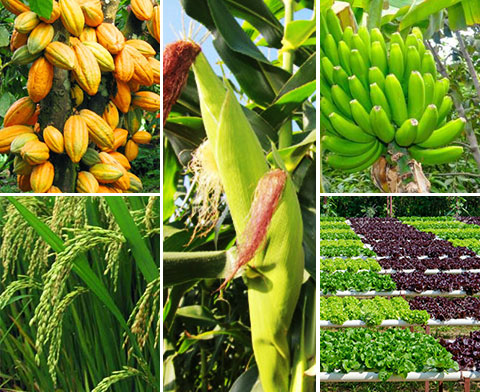
This goes beyond merely producing food. It encompasses every step: from implementing regenerative farming practices that enrich the soil, to efficient water management, ethical post-harvest handling, reducing waste, and ensuring fair distribution that benefits both farmer and consumer. Controlled cultivation and management of domesticated animals.
Market accessibility
While market access defines the goal of reaching buyers, accessibility focuses on creating the pathways to get there. This involves addressing the specific challenges smallholder and returning farmers face: poor rural infrastructure, a lack of market intelligence, and difficulty meeting complex certification or packaging standards.
Food Technology
Moving beyond traditional methods, technology addresses critical pain points: post-harvest spoilage, inconsistent quality, and inefficiencies that cut into profitability. The Association focuses on practical, accessible technologies that deliver immediate impact.
Collaboration & partnership
This approach moves beyond isolated efforts to create a powerful ecosystem of support. By creating strategic alliances with research institutions, financial organizations, technology providers, government agencies, and other farmer groups, the Association pools resources, shares risks, and amplifies its influence.
Research & innovation
This involves collaborating with research institutions to trial drought-resistant crop varieties, implementing data-driven soil management techniques, and exploring innovative practices like precision agriculture or integrated pest management. It means creating a culture where farmers are both learners and innovators, sharing on-the-ground insights that fuel further research.
Training and education
While passion and cultural connection bring members back to the land, effective farming requires practical, localized expertise. The Association addresses this through targeted educational programs that bridge knowledge gaps and introduce sustainable, profitable farming methods.
upcoming
events
stay up to date with Diaspora Farmers Association
Our upcoming events in partnership with some important institutions in Ghana and beyond the borders of Africa comes off in the Month of October 2025. The date is yet to be confirm. Stay connected
© 2025 | Diaspora Farmers Association - All Right Reserved
Tel: +1 (773) 243-6388
Email: diasporafass@gmail.com
+233 24 778 8519